
We’re all seeing it, right? There’s a really clear push from the government these days to sharpen our focus on the absolute basics: literacy and numeracy.
Our Education Minister, Erica Stanford, has been pretty upfront about a “relentless focus” on making sure every Kiwi kid is confident and proficient in reading, writing, and maths.
What does that mean?
That means rolling out a structured curriculum from Year 0-8, encouraging explicit teaching, bringing in consistent assessment tools to catch any struggles early, and even big investments – we’re talking $30 million for top-notch maths resources and another $100 million for maths intervention teachers.
Plus, those new NCEA co-requisite standards for literacy and numeracy? It’s all about building a seriously strong foundation for our tamariki to thrive.
Now, don’t get us wrong, here at the William Pike Challenge (WPC), we’re totally on board with strong literacy and maths skills. They’re fundamental, no doubt about it!
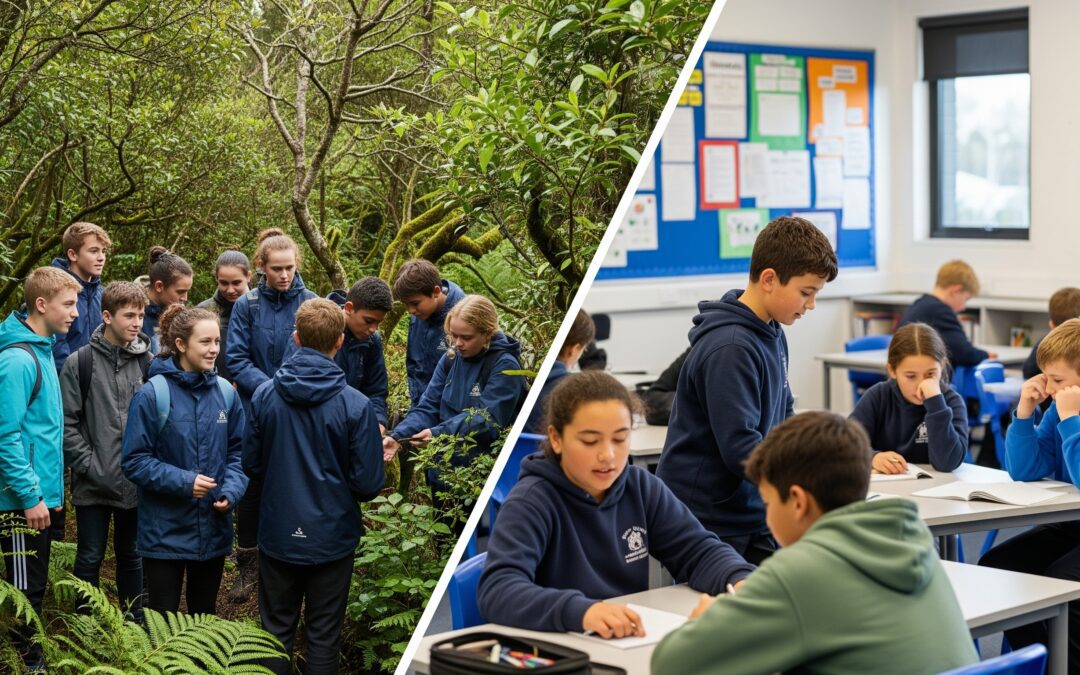
But we also reckon a truly well-rounded education blossoms when kids get to learn beyond the classroom walls.
We see the WPC as a vital way to strike that balance, making sure learning stays explorative and helps develop a whole different set of crucial skills right alongside those core subjects. As UNESCO advocates for a “holistic and humanistic vision of quality education worldwide” where education plays a fundamental role in human, social, and economic development, we believe this balance is key.
Beyond the Classroom: What Students Are Saying
And guess what? Our recent 2024 student survey backs this up big time! We asked our tamariki how the WPC has made a difference for them, and the results are incredibly heartening:
-
A massive 93% of students felt encouraged to step outside their comfort zone.
-
88% felt more confident in themselves.
-
85% gained confidence working with all sorts of people, and another 85% felt more confident setting goals and planning ahead.
-
An awesome 92% are now more confident to tackle new challenges and better at pushing through when things get tough.
-
It’s not just about individual growth either: 76% feel more connected to their family, friends, and teachers, and a huge 87% want to help others when they see them struggling, with 83% keen to jump into community service.
These aren’t just numbers on a page; they’re real stories of growth! These experiences highlight how crucial ‘soft skills’ or life skills are for future success.
There’s the student from Devon Intermediate who “made lots new friends and it made a positive impact on my life,” or the student from Havelock North Intermediate, who’s “proud to help out in the community and participate in lots of new activities that I would have not done if it wasn’t for the WPC.”
A child from Home School felt such a boost in confidence after helping out in his community that he “want(s) to continue helping different local groups because I see I can make a difference despite my age.”
And the student from Te Ranga School, who faced her fear of heights and even found community service “fun!”
As research from groups like 21K school points out, hands-on, experiential learning really helps prepare students for complex situations, building critical and creative thinking that’s essential for real life.
The OECD’s “Future of Education and Skills 2030” project, with its “Learning Compass 2030,” further emphasises the importance of developing “21st-century competencies” including knowledge, skills, attitudes, and values for students to thrive and contribute to collective well-being.
The Case for a Balanced Curriculum
These stories truly highlight that while cracking down on maths and literacy is absolutely essential, the personal development gained through challenges, community service, and outdoor adventures is just as vital. These experiences build resilience, empathy, leadership, and a real sense of belonging – qualities that prepare students for life, not just exams.
So, as teachers look ahead to 2026, we really encourage you to think about balancing your curriculum. While the government’s focus on core academics is super important, let’s also make sure our tamariki get those chances for explorative learning outside the classroom.
After all, the New Zealand Curriculum Framework itself envisions young people who are “confident and creative, connected, and actively involved,” and achieving that definitely takes a holistic approach. These experiences build confidence, shape character, and spark a lifelong love for learning and contributing to our communities.
Ultimately, it’s about creating well-rounded individuals ready for whatever life throws their way – be it a tricky algebra problem or a challenging mountain climb.
We celebrate and acknowledge the incredible schools already part of the WPC community for providing that crucial balance—giving students the space to explore, problem-solve, connect, serve, and grow through hands-on, real-world, authentic experiences!
For those not yet part of our community – let’s work together to give our young New Zealanders the best of both worlds: a solid academic grounding and the enriching, confidence-building experiences that help them truly thrive.
To learn more about the William Pike Challenge and see how it can work at your school, just download our free guide to find out more.
Recent Comments